
Zimbabwean Businesses Are Quietly Using AI.
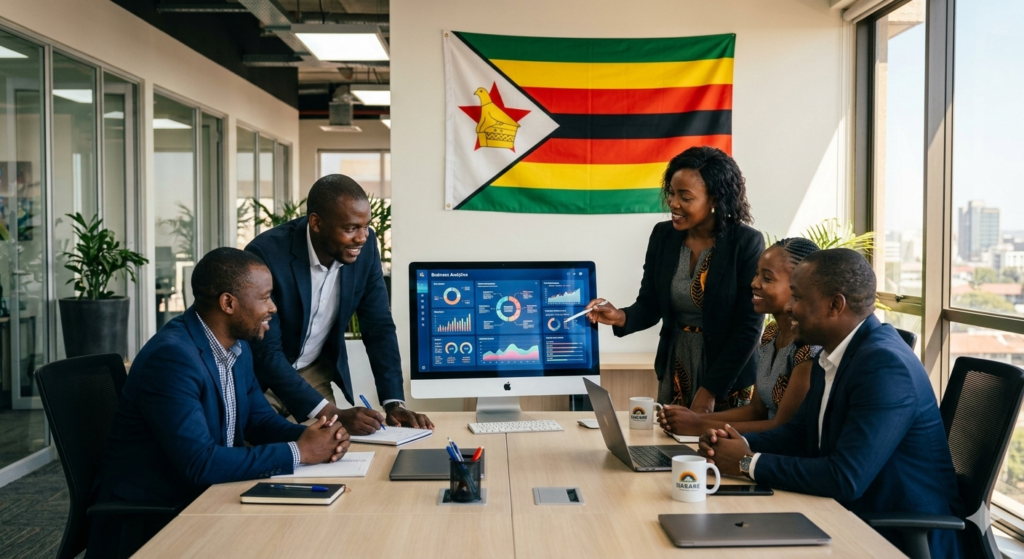
Here’s How They’re Winning Big
While everyone else is complaining about the price of data, a few smart Zimbabwean business owners have stopped working “hard” and started working invisible. You won’t see their massive marketing teams or expensive office blocks, but you’ll see their ads everywhere and get a reply from them at 2 AM. The secret? They aren’t doing it themselves. They’ve recruited an AI “ghost-team” to handle the hustle while they handle the profits. Here’s how they’re winning in an economy that everyone else says is “too tough.”
The Death of “I’ll get back to you”
We’ve all been there. You message a business on WhatsApp at 8:00 PM asking for a price, and they reply at 10:00 AM the next day. By then? You’ve already bought it from someone else.
Smart Zim businesses have fired the “delayed reply.” By using AI-powered WhatsApp chatbots, they are giving customers instant quotes, directions, and product lists. It’s like having a 24/7 sales assistant who never sleeps, never complains about the heat, and never asks for a lunch break.
Branding on a “Budget”
Gone are the days when you needed a massive marketing agency to look professional. Local startups are using AI tools to:
Design Logos and Posters: High-end visuals in minutes.
Write “Fire” Captions: Using AI to tailor social media posts that actually resonate with the local vibe.
Edit Video: Creating TikToks and Reels that look like they were shot in a studio, right from a smartphone.
Agriculture
Agriculture is the backbone of Zimbabwe, but climate change is a ruthless opponent. AI is becoming the “Agric-Advisor” we didn’t know we needed. From apps that diagnose leaf diseases via a photo to data tools that predict exactly when the rains will actually stay, our farmers are moving from “guessing” to “knowing.”
The Result: More bags of maize, less wasted fertilizer, and a more secure food chain for the nation.
Leveling the Global Playing Field
Here is the best part: AI doesn’t care where your office is. Whether you are running a boutique in Bulawayo or a tech hub in Mutare, you have access to the exact same ChatGPT, Midjourney, or Canva tools as a billionaire in Silicon Valley. For the Zimbabwean creative, this is the ultimate equalizer. Our local talent is now delivering world-class software code and graphic design at record speeds, bringing USD back home.
AI isn’t here to replace the Zimbabwean spirit of kustruggle (the hustle); it’s here to make it more profitable. It’s about spending less time on spreadsheets and more time on strategy.
The question isn’t whether AI is coming to Zimbabwe. It’s already here, tucked away in the phones of the most successful people you know. The only question is: Are you going to use it, or let your competition use it first?