
The Hidden Dangers of Artificial Intelligence.
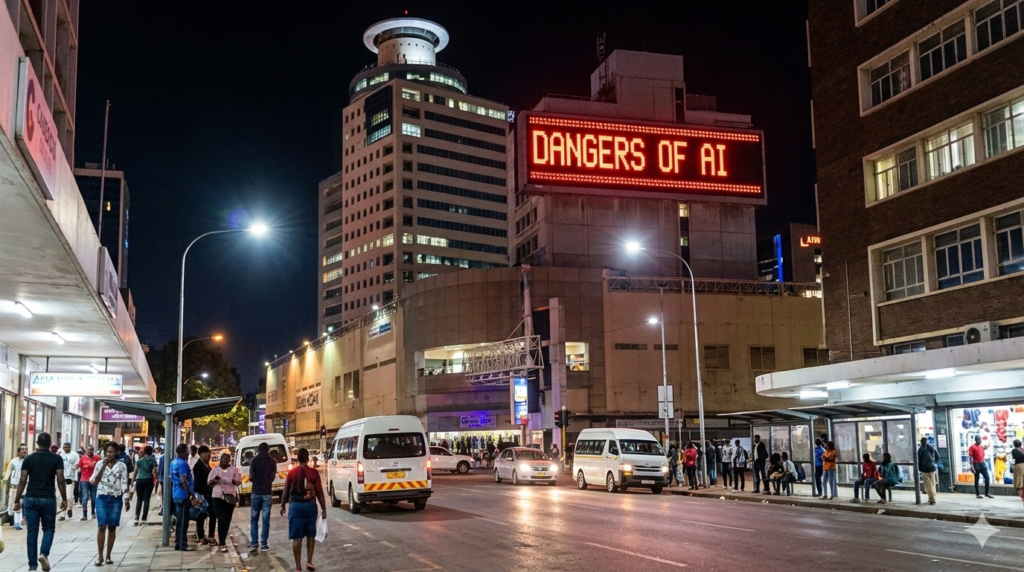
Artificial Intelligence (AI) has rapidly become one of the most powerful technologies of our time. It helps businesses automate tasks, assists students with learning, improves healthcare systems, and supports creativity in industries like design, writing, and software development. Organizations such as OpenAI, Google DeepMind, and Anthropic are continuously developing advanced AI systems to improve productivity and innovation across many sectors.
However, while AI offers many benefits, it also presents serious risks if it is used irresponsibly or without proper understanding. Like any powerful technology, AI must be used carefully. Without thoughtful regulation, ethical awareness, and responsible use, AI can create new challenges for individuals, businesses, and society as a whole.
One of the biggest dangers of AI is misinformation. AI systems can generate text, images, videos, and audio that appear realistic even when they are completely false. This can make it easier to spread fake news, manipulate public opinion, or mislead people online. For example, AI-generated images or deepfake videos can portray events that never happened or imitate real people saying things they never said. In an age where information spreads quickly through social media, this can create confusion and damage trust in reliable sources.
Another concern is over-reliance on AI. As AI tools become more capable, some people may begin to depend on them too heavily for thinking, writing, decision-making, or problem-solving. While AI can assist with these tasks, it does not replace human judgment, creativity, or critical thinking. If individuals rely entirely on AI without verifying information or applying their own reasoning, they may make poor decisions based on incomplete or incorrect outputs.
Job displacement is also a commonly discussed risk. AI automation can perform certain repetitive tasks faster and more efficiently than humans. In industries such as customer support, data entry, manufacturing, and logistics, AI systems may reduce the need for certain types of jobs. Although AI also creates new opportunities and roles, there is concern that workers who lack access to reskilling or training may struggle to adapt to the changing job market.
Privacy and data security represent another major issue. Many AI systems rely on large amounts of data to function effectively. If this data includes personal information, there is a risk that it could be misused, leaked, or accessed without proper authorization. Companies and developers must ensure that AI systems respect user privacy and handle data responsibly.
Bias in AI systems is another important challenge. Because AI models learn from existing data, they may unintentionally reflect biases that exist in that data. This can lead to unfair or inaccurate outcomes in areas such as hiring, loan approvals, facial recognition, or law enforcement technologies. Addressing bias requires careful training, monitoring, and transparency in how AI systems are developed and used.
There is also concern about the potential misuse of AI for malicious purposes. Cybercriminals may use AI to automate phishing scams, create convincing fraudulent messages, or develop more sophisticated hacking techniques. AI tools can also be used to generate harmful content at scale, making it easier to spread scams or manipulate people online.
Despite these risks, AI is not inherently dangerous. The key lies in how people choose to use it. When used responsibly, AI can remain a powerful tool for progress rather than harm.
The healthiest way to use AI is to treat it as a support tool rather than a replacement for human thinking. Users should always verify important information generated by AI and cross-check it with reliable sources. Critical thinking should remain at the center of any decision-making process.
Businesses should implement ethical guidelines when adopting AI technologies. This includes protecting user data, being transparent about how AI systems are used, and ensuring that employees receive proper training to work alongside AI tools rather than being replaced by them.
Education also plays an important role in responsible AI use. Schools, universities, and organizations should teach people how AI works, its limitations, and how to use it responsibly. When people understand both the strengths and weaknesses of AI, they can use it more wisely.
Finally, balance is essential. AI should enhance human productivity, creativity, and innovation, but it should not replace human values, empathy, or judgment. Technology works best when it supports human abilities rather than overriding them.
In conclusion, artificial intelligence has the potential to transform the world in positive ways, but it also comes with significant responsibilities. By staying informed, thinking critically, and using AI ethically, individuals and businesses can enjoy its benefits while avoiding its dangers. Responsible use ensures that AI remains a tool that empowers humanity rather than one that harms it.